The Exclusive Collection: Orthodox Icons from Mount Athos

The Collection
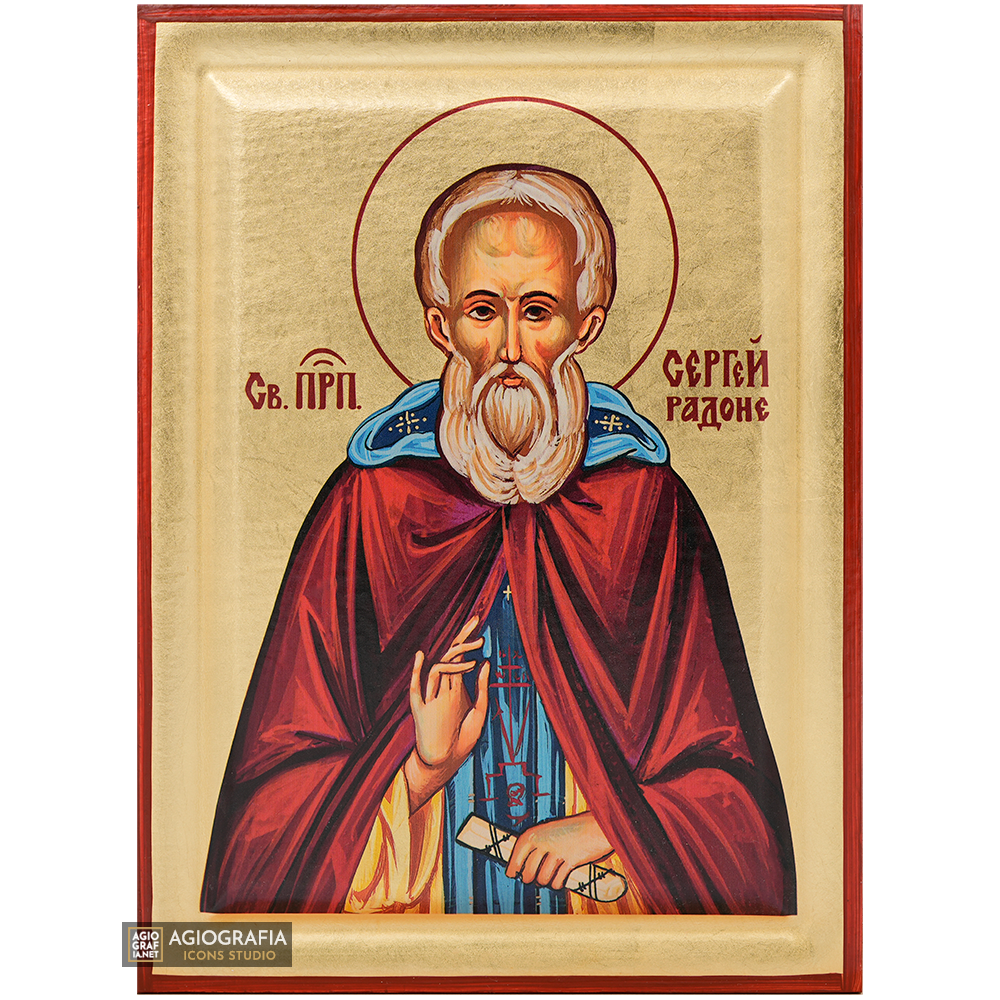
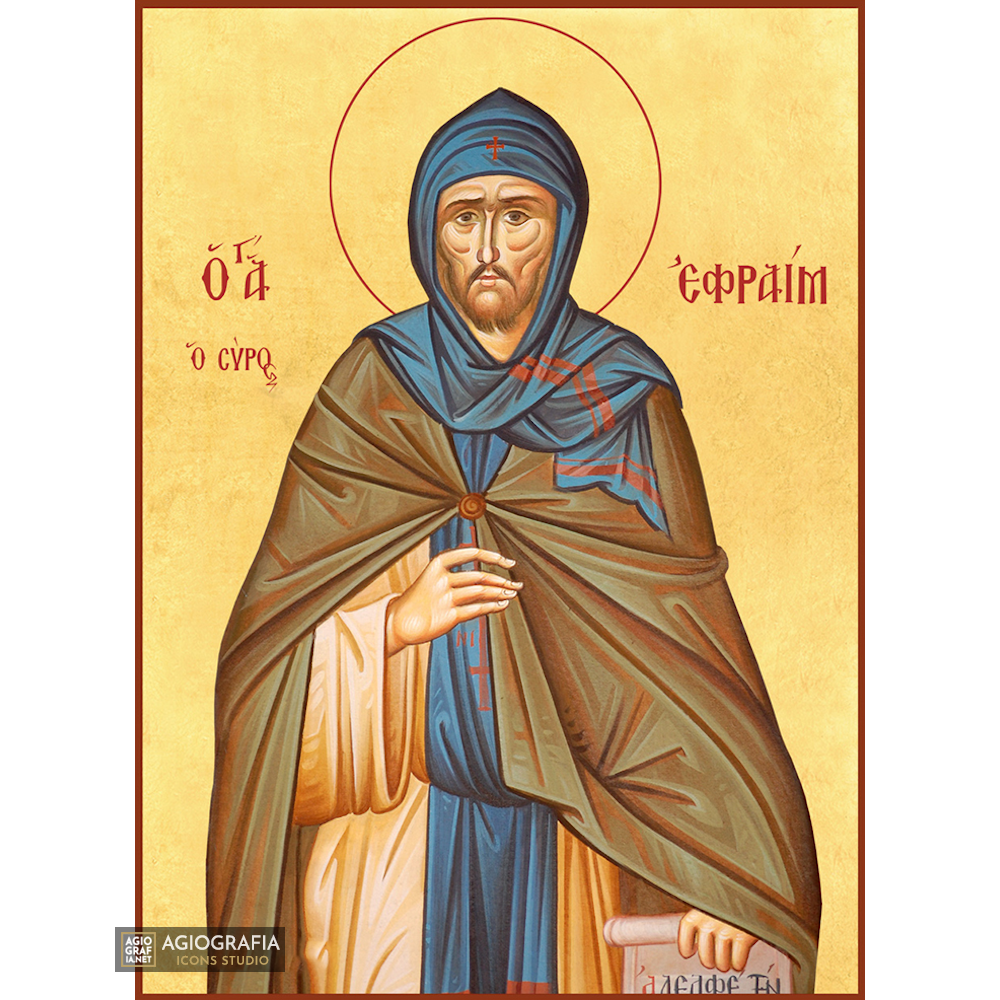
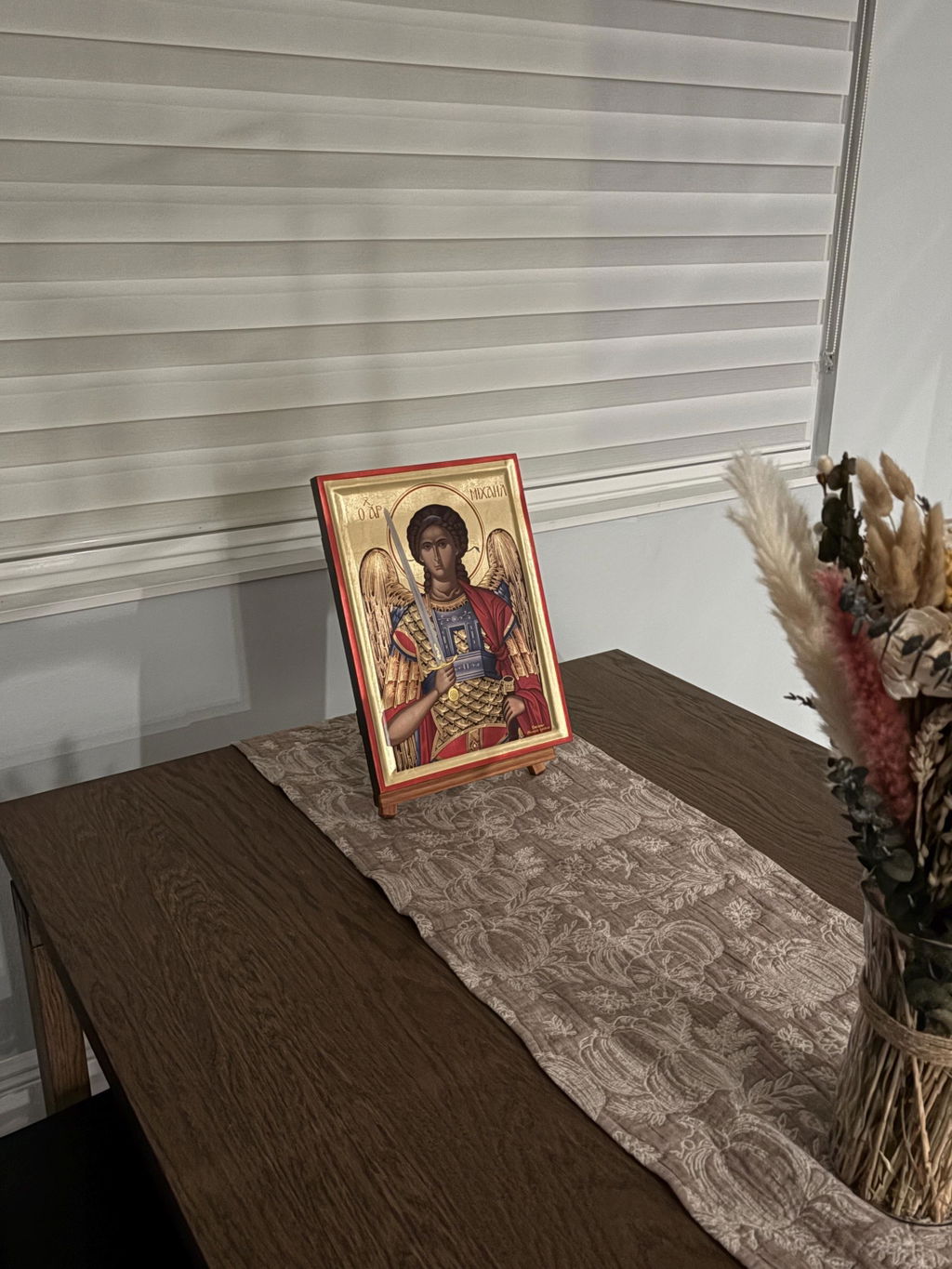
Icons are the holy images of the Orthodox Church: they set before us Christ, the Theotokos, the saints and the Great Feasts. Our Exclusive Collection brings together Orthodox icons from Mount Athos and from monasteries and shrines across the Orthodox world.
In short The collection holds more than two hundred icons, from the Great Feasts to saints of East and West, made as Museum Editions or painted entirely by hand. Many carry a small line at their foot naming a monastery of the Holy Mountain.
At a glance
- What it is
- Our gallery’s collection of icons from Mount Athos and other monasteries and shrines
- Size
- More than two hundred icons
- Subjects
- About a quarter Great Feasts; one in ten the Theotokos or Christ; the rest saints
- Crafts
- Mostly Museum Editions; a smaller group of Hand-Painted Originals
- Grounds
- 22k or matte gold leaf; also pure silver leaf, gilded foil or blue
- How to recognise one
- Listed in the Exclusive Collection; many carry a small inscription at the foot
- Monastery named
- St. Grigoriou, Mount Athos (Ι.Μ.Ο. ΓΡΗΓΟΡΙΟΥ · ΑΓΙΟΝ ΟΡΟΣ) on every inscription we checked
What is the Exclusive Collection?
Icons are the most sacred art of the Orthodox Church. They belong in churches and in homes as places of prayer, not as decoration, and each one opens a window onto the person or the event it shows.
Our gallery describes the Exclusive Collection as icons from Mount Athos and other monasteries and shrines. It now holds more than two hundred of them. About a quarter show the Great Feasts and other Gospel scenes, from the Nativity of Christ to the Resurrection and Pentecost. Around one in ten are icons of the Theotokos or of Christ, and the rest are saints.
Those saints come from every corner of the Church: Athonite fathers such as St Paisios and St Nicodemus, beloved hierarchs such as St Nicholas and St Spyridon, and saints of Ireland, Britain, Alaska, Japan and India.
Why do icons from monasteries and shrines matter?
Orthodox Christians do not worship icons. The Seventh Ecumenical Council, held at Nicaea in 787, taught that icons receive veneration and honour, while worship belongs to God alone. When we kiss an icon, the honour goes to the one it depicts.
“The honour paid to the image passes on to the prototype.”
Monasteries and shrines keep many of the Church’s best-loved icons. Some are called wonderworking, because the faithful have received healing and help while praying before them. The Church is clear that the power is not in wood or paint: the grace is God’s, and the icon is a place where we meet it.
Mount Athos, the Holy Mountain in northern Greece, is the greatest of these treasuries. UNESCO, which listed it as a World Heritage Site in 1988, calls its monasteries a conservatory of masterpieces and notes that its school of painting shaped the history of Orthodox art.
What is an icon type, and why are copies faithful?
Icons are not invented afresh each time. Each well-loved image follows a type: a settled arrangement of figures, gestures and inscriptions, often named after a famous original. The Hodegetria, “she who shows the way”, holds the Child on one arm and turns her other hand towards him. The Pantocrator, “Ruler of all”, shows Christ blessing and holding the Gospel.
An iconographer keeps the type faithfully, because the icon carries the memory of the Church rather than the taste of the painter. In the 18th century the Athonite painter-monk Dionysios of Fourna gathered this tradition into his Painter’s Manual, which painters on the Holy Mountain long followed.

Where are the originals venerated?
The great originals of many types are kept in monasteries and shrines, and pilgrims still travel to venerate them. A few of the types in our collection:
- The Portaitissa, “Keeper of the Gate”, at Iviron Monastery on Athos. According to tradition, an iconoclast soldier struck the icon and blood flowed from the wound; it later reached the Holy Mountain by sea.
- Axion Estin, “It is truly meet”, in the Protaton church at Karyes. Tradition holds that in the 10th century the Archangel Gabriel taught a young monk the hymn that gave the icon its name.
- The Hodegetria, whose prototype tradition traces to the Apostle Luke and to the Hodegon monastery in Constantinople. On Athos, a Hodegetria is honoured at St. Xenophontos Monastery.
- The Pantocrator, whose oldest surviving example, from the 6th or 7th century, is kept at St Catherine’s Monastery in Sinai.
Our icons are faithful images of these types, not the originals themselves. Many carry a small inscription at their foot naming a monastery. On every one we checked, it reads Ι.Μ.Ο. ΓΡΗΓΟΡΙΟΥ · ΑΓΙΟΝ ΟΡΟΣ: St. Grigoriou Monastery, on the south-west coast of the Holy Mountain.
How are the icons made?
Every icon in the collection names its craft on its own page, and the difference matters. Two crafts are found here.
Museum Editions
Most of the collection are Museum Editions. The wooden panel is cut, and our craftsmen lay the ground by hand: most often 22k or matte gold leaf, sometimes pure silver leaf or a gilded foil. The image is then printed directly onto the prepared surface, so the type is reproduced faithfully.
Hand-Painted Originals
A smaller group are Hand-Painted Originals, painted entirely by hand in egg tempera in our Thessaloniki workshop, most of them on a ground of 24k gold leaf. Because they are made by hand, each one differs slightly from its photograph.
How do you read the Hodegetria icon?
Here is the Hodegetria from our Exclusive Collection. Like many icons in it, it carries a small line at its foot naming St. Grigoriou Monastery.

- ΜΡ ΘΥ · Η ΟΔΗΓΗΤΡΙΑ “Mother of God”, written in red beside her halo, and her title: the Hodegetria, she who shows the way.
- The guiding hand Her right hand turns towards the Child. She does not point to herself: she shows us Christ, who is the Way (John 14:6).
- ΙΣ ΧΣ · Ο ΩΝ “Jesus Christ”. His halo bears a cross and the words “He who is”, the name God gave to Moses (Exodus 3:14).
- The scroll The Child sits upright, his right hand stretched out and a small scroll in his left: the eternal Word, already teaching.
- The stars Gold stars mark her forehead and shoulder; the third is hidden by the Child. They speak of her virginity before, during and after his birth.
- Ι.Μ.Ο. ΓΡΗΓΟΡΙΟΥ · ΑΓΙΟΝ ΟΡΟΣ At the foot, in small letters: “Holy Monastery of Osios Grigoriou, Holy Mountain”.
Questions people ask
What makes an icon “exclusive”?
In our gallery, Exclusive is the name of a collection, not a claim of rarity. It gathers icons the store describes as from Mount Athos and other monasteries and shrines. Many carry a small inscription naming St. Grigoriou Monastery on Mount Athos.
Are these icons hand-painted?
Some are. Hand-Painted Originals are painted entirely by hand in egg tempera, most on 24k gold leaf. Most of the collection are Museum Editions: a gold or silver ground laid by hand on a wooden panel, with the image printed directly onto it.
What does the inscription at the foot mean?
Ι.Μ.Ο. ΓΡΗΓΟΡΙΟΥ · ΑΓΙΟΝ ΟΡΟΣ abbreviates “Holy Monastery of Osios Grigoriou, Holy Mountain”. It names St. Grigoriou Monastery on Mount Athos. It also appears on types whose best-known originals are kept elsewhere, such as the Portaitissa of Iviron.
What is a wonderworking icon?
An icon before which the faithful have received healing or other signs of God’s help. The power is not in the wood or paint: the grace is God’s alone, given through the prayers of the Theotokos and the saints.
Do Orthodox Christians worship icons?
No. The Seventh Ecumenical Council, at Nicaea in 787, taught that icons receive veneration and honour, while worship belongs to God alone. The honour shown to an icon passes to the person it depicts.
An icon from a holy place carries something of the prayer that surrounds its original. Whichever icon you keep, light the lamp before it and greet the one it shows: the honour you give passes on to them, and through them to God.